
 Posts
Posts


Two people can eat the same foods, and do the same exercise, but one may put on more weight thanks to the air around their homeThe idea that “thin air” can make you fat sounds ludicrous, yet some extremely puzzling studies appear to be showing that it’s possible. Two people can eat the same foods, and do the same exercise, but over the course of a few years, one may put on more weight and develop a faulty metabolism – thanks to the atmosphere around their home.
Traffic fumes and cigarette smoke are the chief concerns, with their tiny, irritating particles that trigger widespread inflammation and disrupt the body’s ability to burn energy. While the short-term effects are minimal, over a lifetime it could be enough to contribute to serious disease – besides the respiratory illnesses more commonly associated with smog. “We are starting to understand that the uptake and circulation of air pollution in the body can affect more than just the lungs,” says Hong Chen, a researcher at Public Health Ontario and the Institute of Clinical Evaluative Sciences in Canada.
How strong is the evidence from these studies, and should you be concerned?
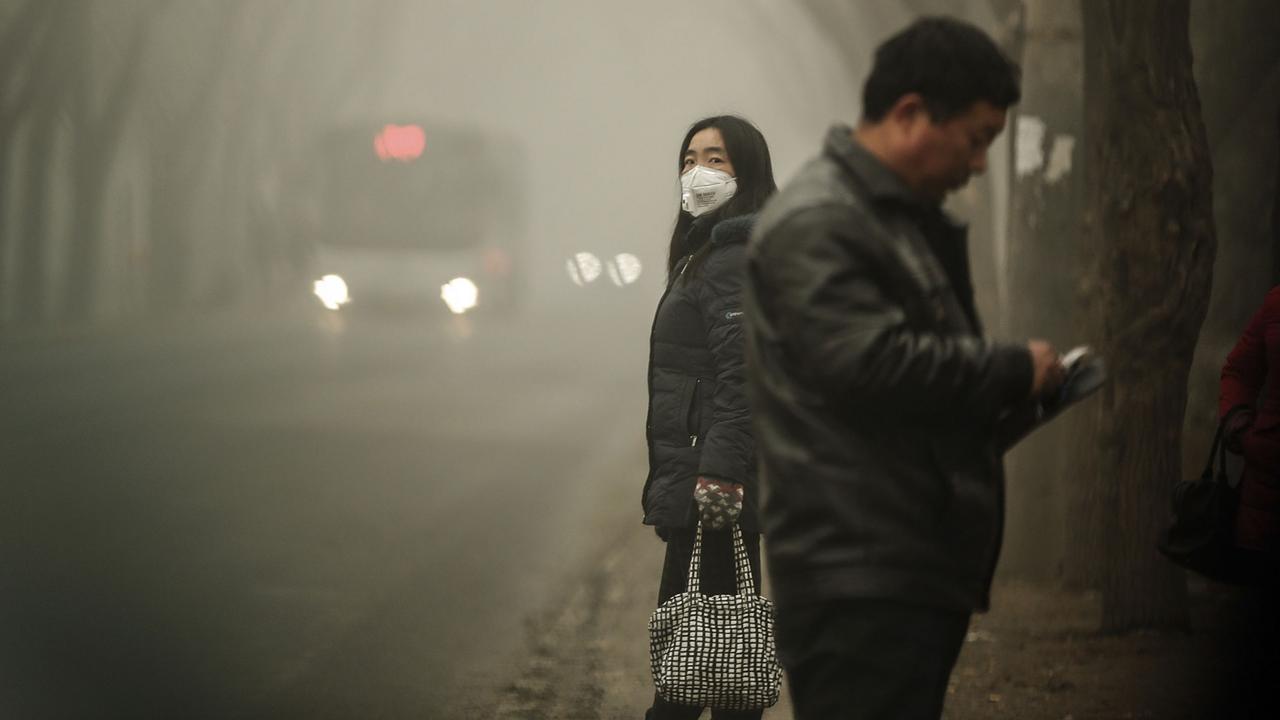
Without any other change in your lifestyle or diet, polluted air may be causing you to pile on the pounds (Credit: Getty Images)
To find out more, he started to raise laboratory mice in the kinds of conditions you might find across various cities. Some breathed filtered, clean, air, while others were funnelled the kinds of fumes you might find next to a motorway or busy city centre. Along the way, his team weighed the mice and performed various tests to study how their metabolism was functioning.
After just 10 weeks, the effects were already visible. The mice exposed to the air pollution showed greater volumes of body fat, both around the belly and around the internal organs; at the microscopic level, the fat cells themselves were around 20% larger in the mice inhaling a fine mist of pollutants. What’s more, they seemed to have become less sensitive to insulin, the hormone that signals to cells to convert blood sugar into energy: the first step towards diabetes.
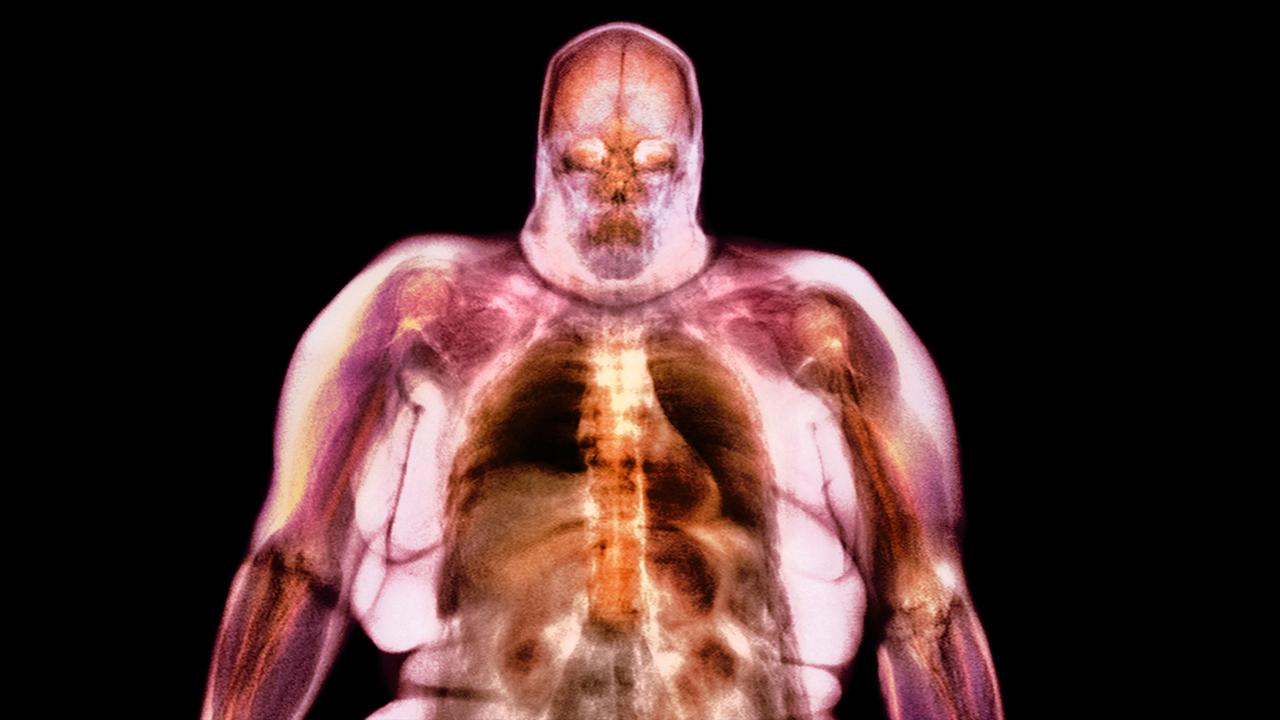
Tiny particles irritating the lungs may set off a cascade of reactions throughout the body, disrupting the hormones that control appetite (Credit: Science Photo Library)
Pollution may trigger inflammation that interferes with the hormones and the brain processing that govern appetiteThe tiny irritating particles may also unleash a flood of inflammatory molecules called “cytokines” to wash through the blood, a response that also triggers immune cells to invade otherwise healthy tissue. Not only does that too interfere with the tissue’s ability to respond to insulin; the subsequent inflammation may also interfere with the hormones and the brain processing that govern our appetite, says Michael Jerrett at the University of California, Berkeley.
All of which knocks the body’s energy balance off-kilter, leading to a constellation of metabolic disorders, including diabetes and obesity, and cardiovascular problems such as hypertension.

By disrupting insulin sensitivity, air pollution may contribute to diabetes and other serious (and life-shortening) cardiometabolic disorders (Credit: Getty Images)
Children growing up in the polluted areas were twice as likely to be considered obeseThe scientists have been particularly concerned about the effects on young children, with some concern that a mother's exposure to these pollutants may alter the baby's metabolism so they are more prone to obesity. Consider the work of Andrew Rundle at Columbia University, who studied children growing up in the Bronx. During pregnancy, the children’s mothers had worn a small backpack that measured the air quality as they went about their daily business, and over the next seven years the children’s health was monitored at regular intervals. Controlling for other factors (such as wealth and diet), the children born in the most polluted areas were 2.3 times more likely to be considered obese, compared to those living in cleaner neighbourhoods.
Jerrett, meanwhile, has found that the risk can come from inside as well as outside the home: parental smoking, he showed, also led to faster weight gain among Californian children and teens. “It interacts synergistically with the effect of the air pollution,” he says – in other words, the combined risk was far greater than the sum of individual risks.
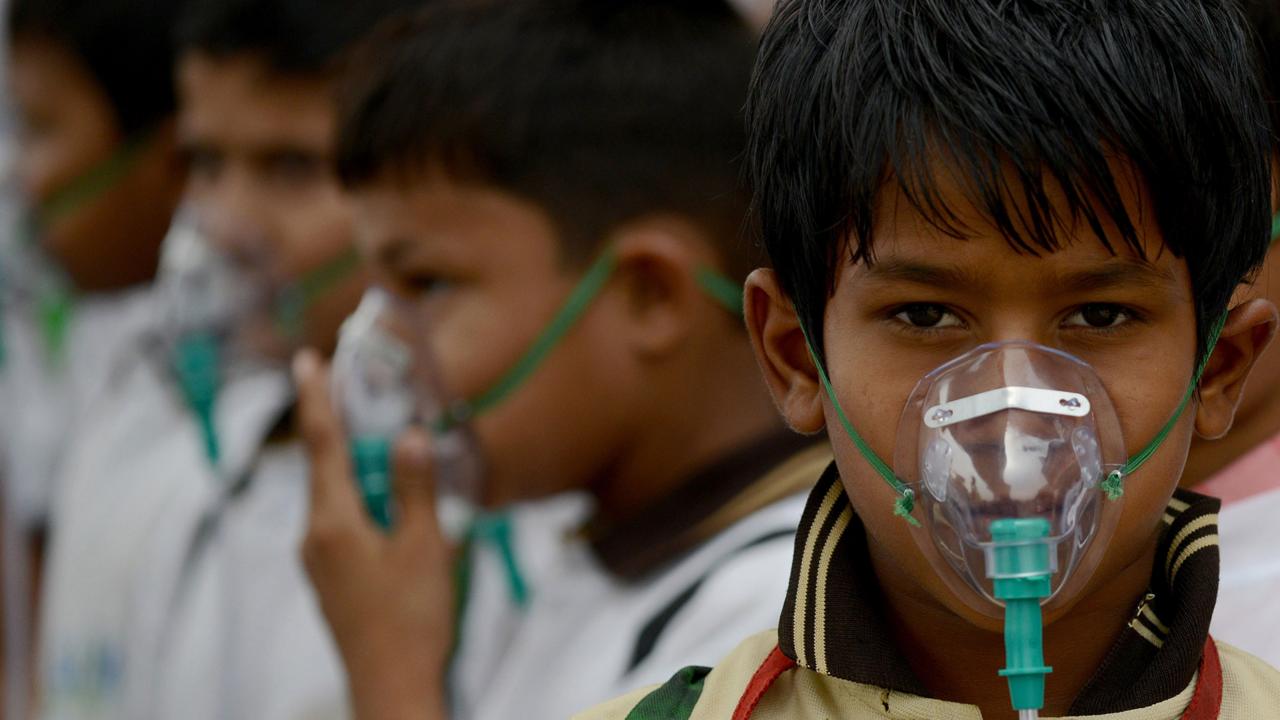
Living in a highly polluted city doubled the chance that a child would grow up obese, according to one study (Credit: Getty Images)
As the smog descended, signs of insulin resistance and hypertension peakedFortunately, a few teams are already searching for the missing pieces to fill those gaps in our knowledge with more detailed studies. Robert Brook at the University of Michigan and colleagues in China, for instance, recently tested a small group of subjects in Beijing over a two-year period. They found that whenever the city’s infamous smog descended, giveaway signs of developing problems like insulin resistance and hypertension peaked – providing more concrete evidence that the air quality was indeed driving changes to the metabolism.
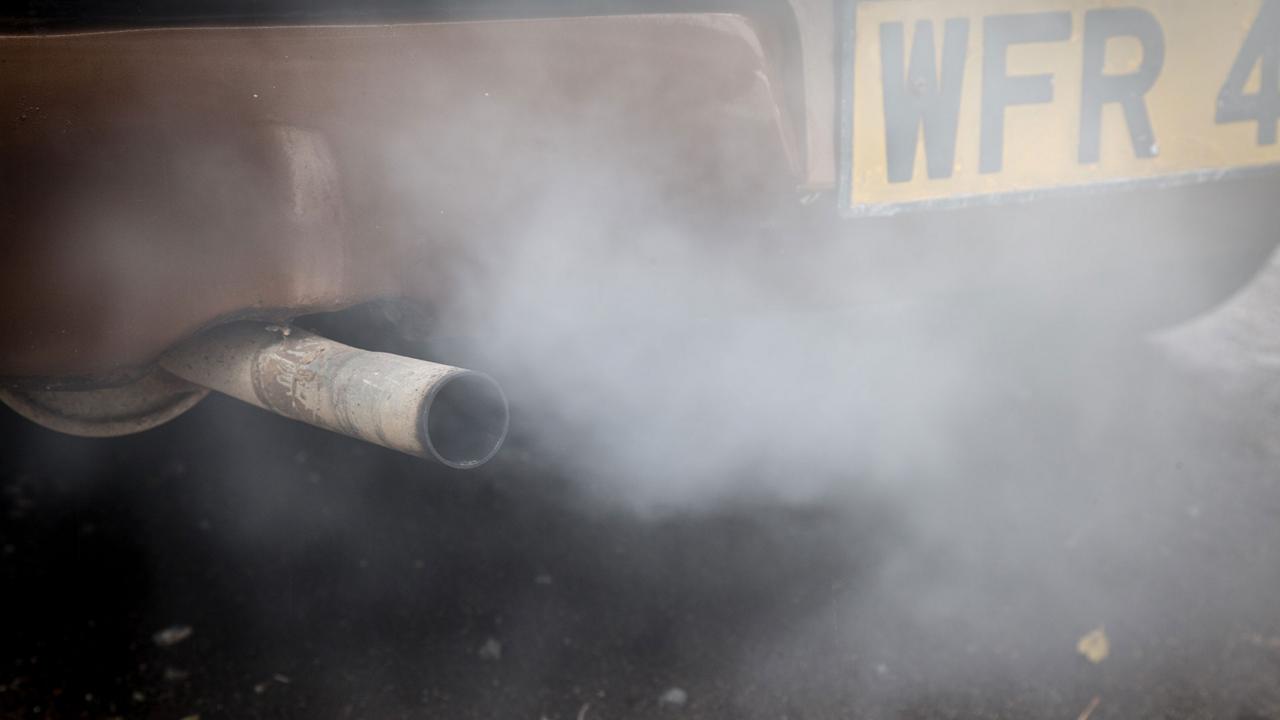
Cleaning up these exhaust fumes could save millions of people from a lifetime of illness (Credit: Getty Images)
The solutions are familiar, if difficult to implement: restrict traffic pollution by promoting electric and hybrid vehicles, for instance. Jerrett suggests streets could also be redesigned to reduce the exposure to pedestrians and cyclists. In the short term, he points out that air purifiers could be added to more homes, schools and offices to filter out some of the harmful particles.
Brook agrees that action needs to be taken internationally, both in the developing world and in cities like Paris and London that superficially, might seem to have their pollution under control. “In North America and Europe the pollution levels have been trending in right direction – but we shouldn’t rest on our laurels,” he says. “From the standpoint of improving health across the world, it should be one of our top 10 worries.
0 comments:
Post a Comment